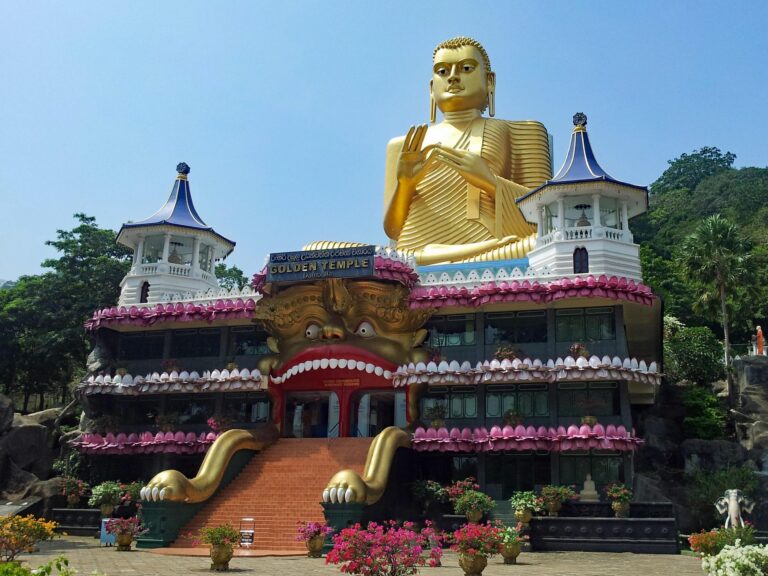
Located in the southeastern part of Sri Lanka, Kataragama is a destination where spirituality, history, culture and nature come together. Known primarily as a sacred pilgrimage town, Kataragama attracts visitors from different religious backgrounds throughout the year. For travellers, however, the area offers much more than temples and religious sites. Its surrounding forests, wildlife, villages and traditional customs provide an opportunity to experience a quieter and more cultural side of Sri Lanka. Kataragama is situated close to some of the island’s most remarkable natural attractions, including Yala National Park, making it an interesting stop for travellers exploring the southern and southeastern regions. Whether you are interested in Sri Lanka’s religious traditions, looking for an authentic cultural experience, or simply travelling through the island’s dry-zone landscapes, Kataragama has something memorable to offer.
A Journey Through Spirituality, Nature and Culture
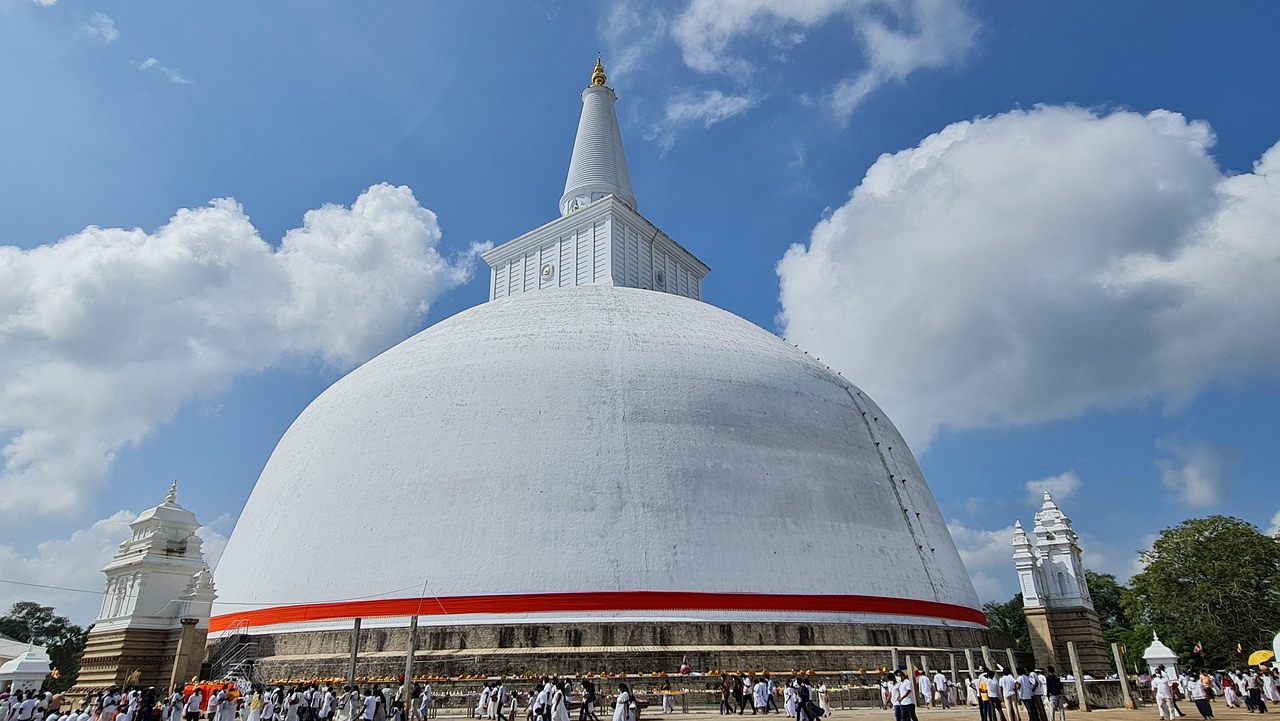
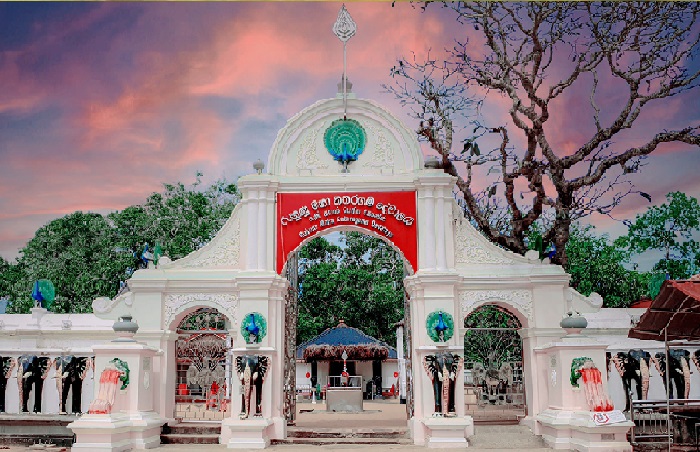
The famous attraction in the area is the sacred Kataragama Temple complex. Kataragama is considered a pilgrimage destination for Buddhists, Hindus and followers of other faiths. The town is closely associated with Kataragama Deviyo, a revered deity in Sri Lankan tradition while the sacred area also contains places of worship connected with several religious traditions. One of the features of Kataragama is the way different communities share the same sacred landscape. Visitors can observe Buddhist, Hindu and other cultural influences existing side by side. This makes the town an excellent place for travellers who want to understand the diversity of Sri Lanka beyond the country’s more commonly visited attractions. Visitors should remember that Kataragama is first and foremost a place of worship. Dressing respectfully following customs and behaving quietly around religious sites are important parts of responsible travel.
Kataragama Esala Festival
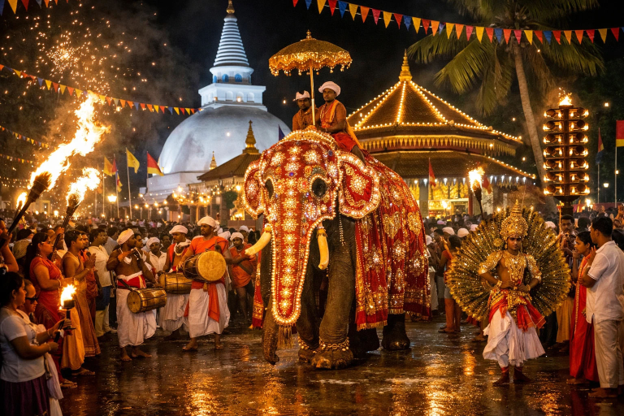
Kataragama becomes particularly lively during the Kataragama Esala Festival, one of the most important religious celebrations in the region. The festival traditionally attracts numbers of pilgrims who travel from different parts of Sri Lanka to participate in religious ceremonies and cultural activities. The festival is known for processions, traditional music, dancing and devotional practices. One of the recognized events is the evening procession associated with the temple creating an atmosphere filled with lights, drums, costumes and religious devotion. For travellers the festival provides an opportunity to witness a living cultural tradition rather than something presented solely for tourism. At the time the large crowds mean that visitors should plan carefully respect religious practices and be mindful that the event is primarily, for pilgrims and worshippers.
Exploring Nature Around Kataragama

Kataragama is also a place to start exploring the dry-zone area of Sri Lanka. The land around it is very different from the hills and wet-zone forests you find in other parts of the country. There are areas with low bushes, dry forests, lakes and rivers that change with the seasons. These places are home to types of animals. One of the places to visit close by is Yala National Park. Yala is well known for its animals. There you can see elephants, crocodiles, deer, buffalo and many kinds of birds. Leopards are also in the park. Are one of the most famous animals there but seeing them is not certain. For people who like eco-tourism the area gives a chance to mix learning about culture with enjoying nature. A trip to Kataragama can be part of a trip through the southern part of Sri Lanka.
Local Culture and Everyday Life
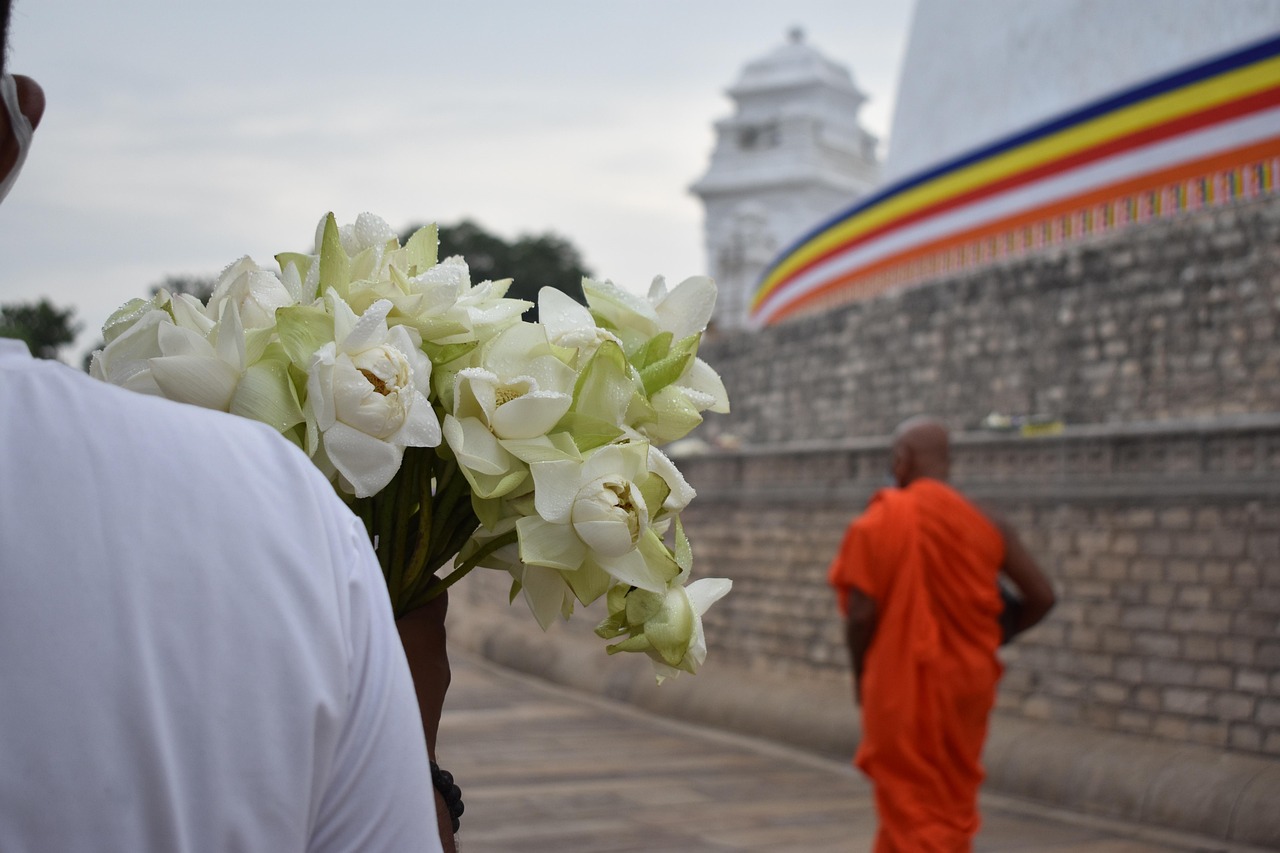
Not from the main places where people go on pilgrimage, Kataragama shows what life is like in a small village in Sri Lanka. There are shops, food stands, people selling fruit by the road and simple countryside. This area has a feeling than the big cities that tourists usually visit. Food is one of the things about exploring this place. Visitors can eat Sri Lankan meals like rice and curry hoppers, string hoppers and spicy vegetable dishes. Fresh fruit, from the tropics and snacks made locally are also easy to find. Taking time to look around slowly can make the visit better. Of just going to the temple and moving on travelers can take time to look at the area talk politely with the people and feel the mood of the town.
Responsible Travel in Kataragama
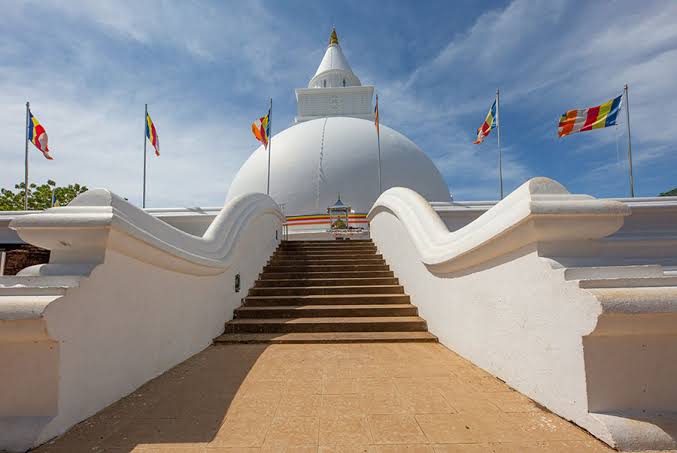
Because Kataragama combines religious significance with sensitive natural environments, responsible tourism is especially important. Visitors should avoid littering, reduce unnecessary plastic use and follow instructions when visiting protected natural areas. When visiting temples and other sacred places, modest clothing and respectful behaviour are expected. Photography should also be approached carefully. Some areas may have restrictions, and visitors should always follow signs or instructions from temple staff. If visiting nearby national parks, travellers should stay with their guides, avoid disturbing animals and never attempt to feed wildlife. Supporting local businesses, choosing responsible accommodation and purchasing locally made products can also help ensure that tourism benefits communities in the region.
When to Visit Kataragama

Kataragama can be visited throughout much of the year, although the experience can vary depending on the season and the purpose of your trip. Travellers interested in the religious festival may prefer to plan around the annual Esala Festival, while those looking for a quieter experience may choose a period outside the main festival season. If your trip includes a safari in Yala National Park, it is useful to consider the park’s seasonal conditions when planning your itinerary. Early mornings are generally a comfortable time for wildlife excursions, while visiting religious sites later in the day can provide a different atmosphere. Planning ahead is particularly important during major religious events, when accommodation and transport can become much busier than usual.
Eco Travel Promise
Kataragama is more than a pilgrimage destination. It is a place where faith, tradition, wildlife and rural life meet in one remarkable part of Sri Lanka. A visit can begin with a walk through the sacred temple area, continue with an exploration of local culture and end with a journey into the surrounding wilderness. For travellers seeking experiences beyond the usual beaches and historic cities, Kataragama offers a meaningful addition to a Sri Lankan itinerary. Its religious traditions provide insight into the island’s cultural diversity, while nearby natural attractions make it possible to combine heritage and wildlife in the same journey. Whether you visit during the colourful festival season or choose a quieter time of year, Kataragama offers an opportunity to experience a side of Sri Lanka that is deeply connected to its people, traditions and natural environment.