Sinharaja Forest Reserve is a special place that invites travellers to slow down, take a deep breath, and reconnect with the wonders of the natural world. Not from the busy roads and packed places to visit this big rainforest gives a nice break into a world with tall trees, water running, bright birds and soft sounds from nature. Sinharaja is not a pretty place. It is one of the important places for wildlife in Sri Lanka and a UNESCO World Heritage Site, known for its great natural importance. For people who love nature those who, like animals, photographers and travelers who care about the environment going into this forest is a chance to see the islands amazing natural heritage close up. At Eco Travel we think the best trips are the ones that let us discover nature and learn why it needs our help. Sinharaja is the place to try this idea.
A UNESCO World Heritage Site with a Remarkable Story
Sinharaja Forest Reserve is widely recognized as Sri Lanka’s last major area of relatively undisturbed primary tropical rainforest. Its importance extends far beyond the island, making it a place of international significance for biodiversity conservation and scientific research. The forest was designated a UNESCO Biosphere Reserve in 1978 and inscribed on the UNESCO World Heritage List in 1988. These recognitions highlight the exceptional ecological value of its rainforest ecosystems and the importance of preserving them for future generations. The name “Sinharaja” is commonly translated as “Lion King,” reflecting the legendary character of this remarkable forest in Sri Lankan folklore. Its steep ridges, deep valleys, dense vegetation, and network of streams create an environment that has supported unique plant and animal communities for thousands of years. Walking through Sinharaja is like stepping into a living natural museum, where every tree, leaf, insect, and bird plays a part in a much larger ecological story.
Extraordinary Biodiversity
One of the most fascinating features of Sinharaja is its incredible biodiversity. The reserve provides a home for an impressive variety of tropical plants, mammals, birds, reptiles, amphibians, butterflies, and countless smaller organisms that are often overlooked. What makes this rainforest particularly special is its high level of endemism. Many species found here are native to Sri Lanka and cannot be found naturally anywhere else in the world. UNESCO records that more than 60% of the tree species in the reserve are endemic, with many considered rare. The forest’s rich vegetation includes towering evergreen trees, climbing plants, ferns, mosses, and delicate orchids. Together, these plants create a layered rainforest environment where sunlight filters through the canopy and the forest floor remains cool, damp, and alive with activity. For visitors, this extraordinary diversity means that even a short walk can reveal something unexpected. A flash of colour in the branches, an unusual leaf beside the trail, or the call of an unfamiliar bird can turn an ordinary moment into a memorable wildlife experience.
Birdwatching in Sinharaja
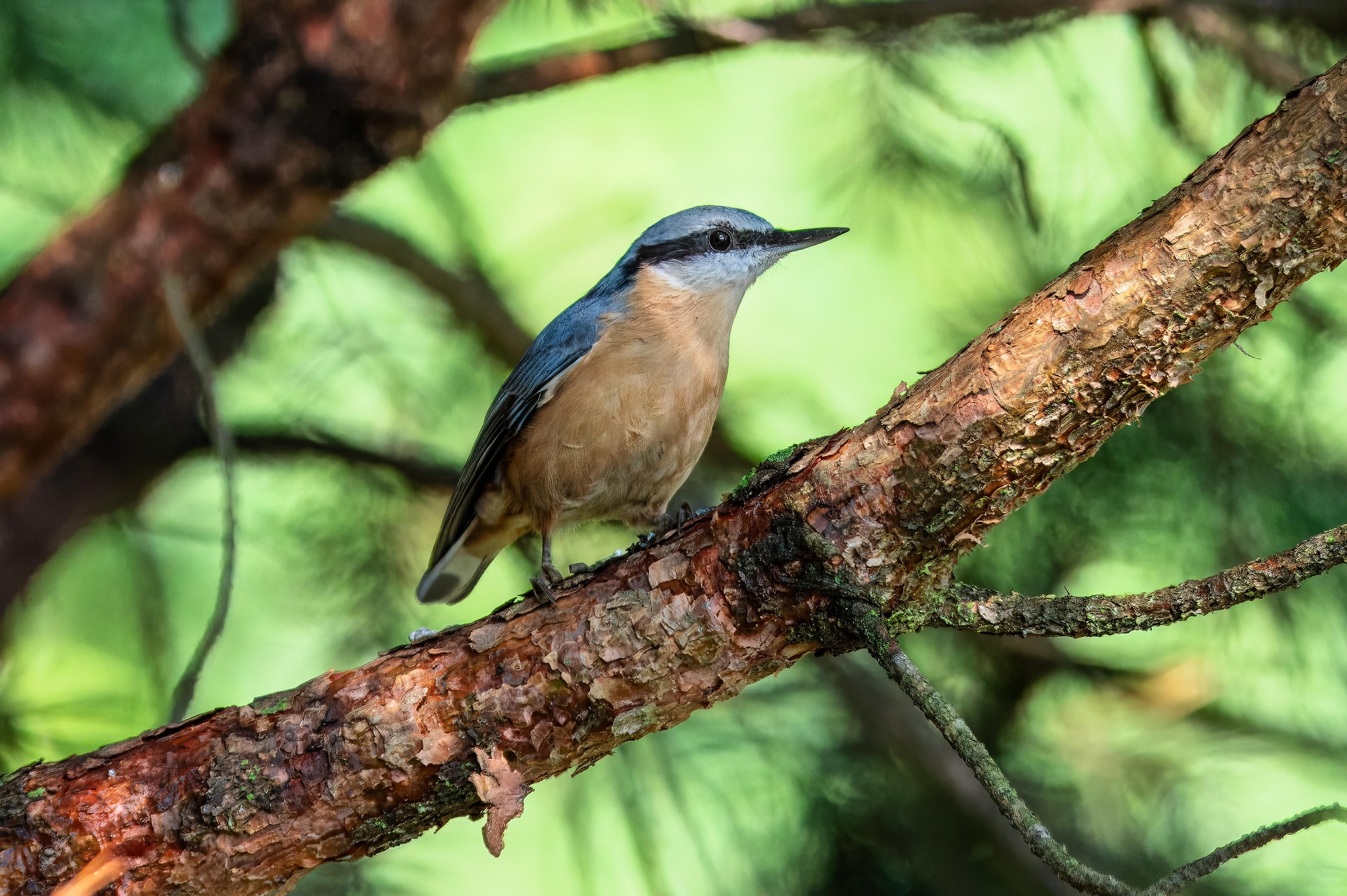
Sinharaja is one of Sri Lanka’s most rewarding destinations for birdwatching. Its dense canopy shelters numerous resident birds, including many of the island’s endemic species. The forest is particularly famous for its mixed-species feeding flocks, in which several bird species move together through the vegetation in search of food. Among the birds’ visitors may hope to encounter are the striking Sri Lanka blue magpie, green-billed coucal, red-faced malkoha, Sri Lanka junglefowl, and Sri Lanka spurfowl. Their distinctive calls and movements bring life to the forest, even when the thick vegetation makes them difficult to spot. Birdwatching in Sinharaja is not simply about ticking species off a list. It is about learning to listen, observing the movement of branches, and appreciating the relationships between different creatures in a shared habitat. A knowledgeable local guide can make a significant difference by identifying bird calls, explaining animal behaviour, and helping visitors discover species they might otherwise miss. For photographers and bird enthusiasts, patience is often rewarded with extraordinary moments that cannot be planned in advance.
Wildlife Encounters Beyond the Birds
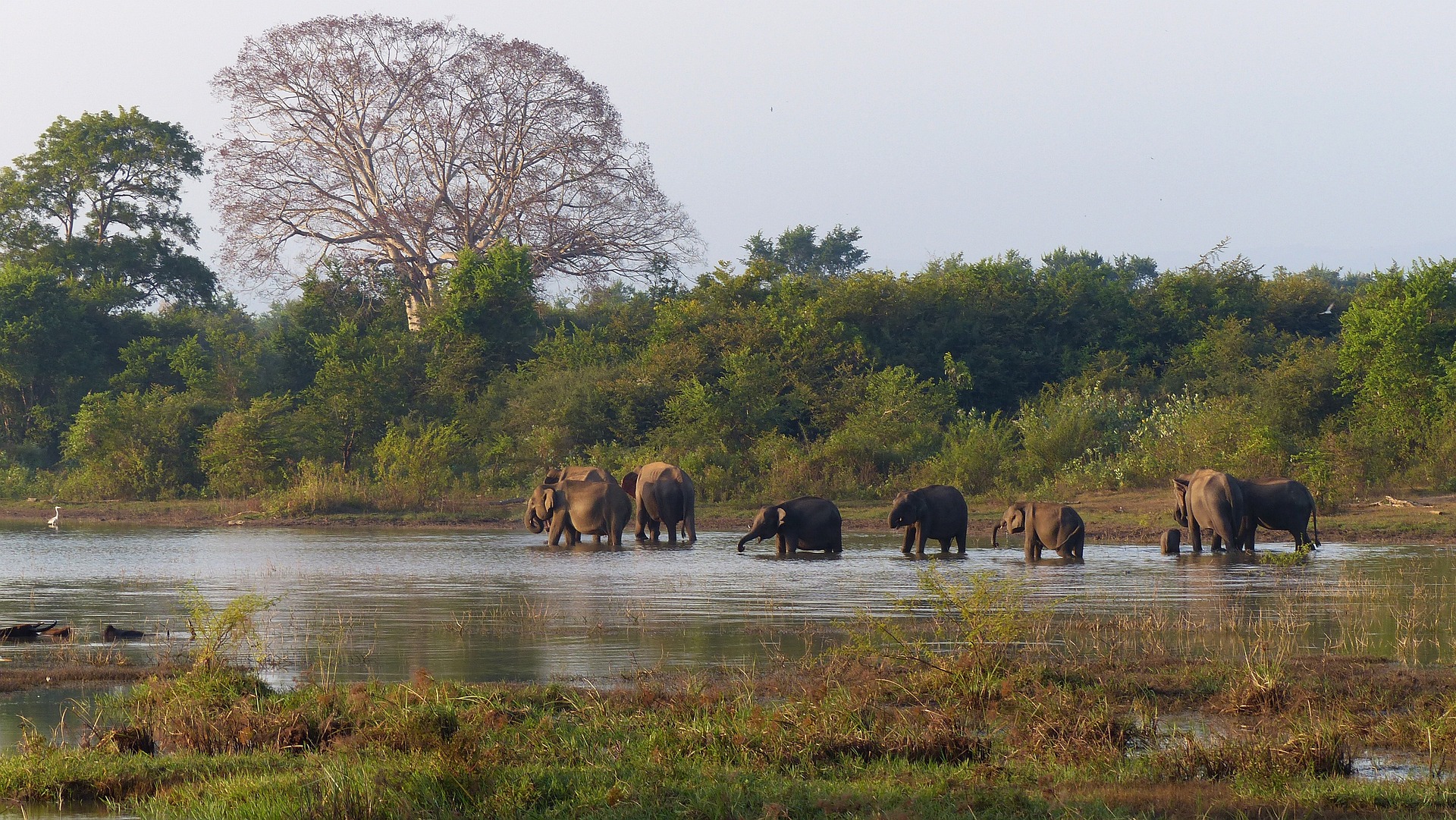
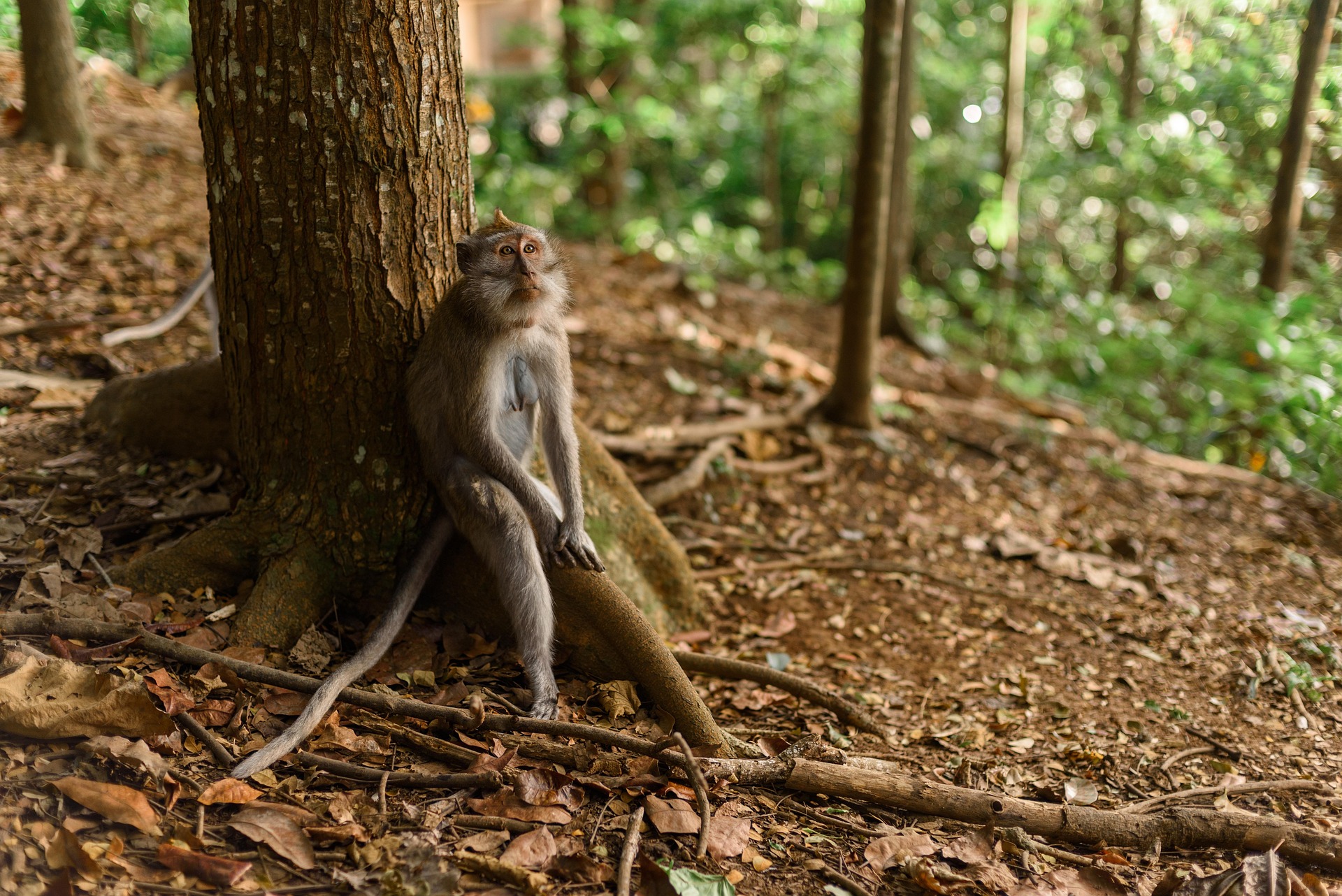
Although Sinharaja is especially famous for its birdlife, the rainforest supports a fascinating range of other animals. Purple-faced langurs, toque macaques, giant squirrels, and other mammals inhabit the forest, while its streams and damp undergrowth provide suitable habitats for reptiles, amphibians, and insects. The reserve also provides habitat for threatened species such as the Sri Lankan leopard and the Asian elephant. However, these larger animals are not always easy to see in such dense vegetation, and sightings should never be guaranteed or expected. For many visitors, the smaller discoveries are just as exciting. A colourful butterfly resting on a leaf, a tree frog hidden among wet vegetation, or an unusual lizard crossing the trail can reveal the extraordinary variety of rainforest life. The key to enjoying wildlife in Sinharaja is to approach the forest with patience and respect. Animals should be observed from a safe distance without feeding, touching, chasing, or disturbing them. After all, the greatest privilege of visiting a protected rainforest is being able to witness wildlife behaving naturally in its own home.
The Best Time to Visit Sinharaja Forest Reserve

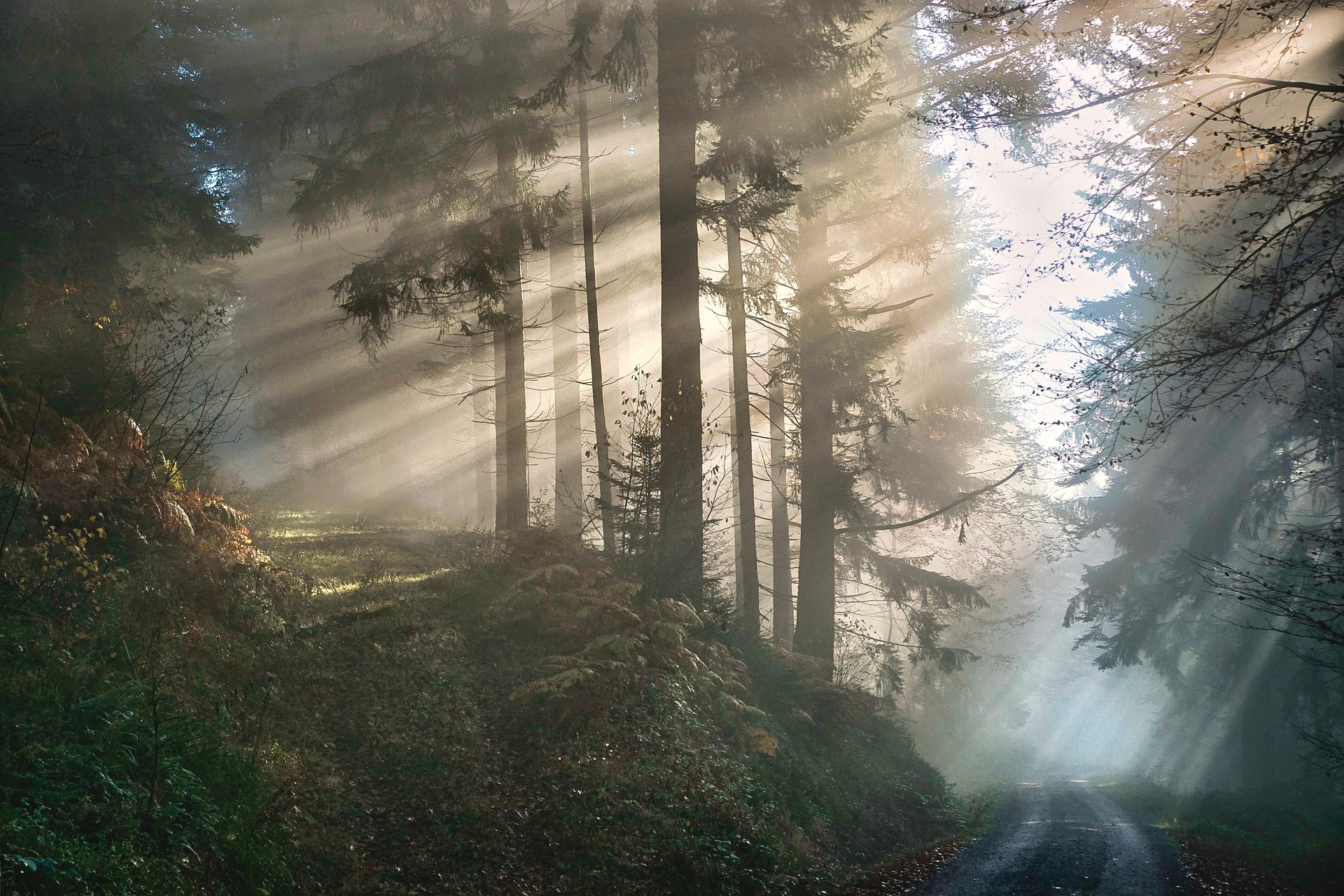
Sinharaja is a rainforest, which means rainfall is part of its natural character throughout the year. The forest remains beautifully green in every season, but weather conditions can influence walking trails, visibility, and the overall visitor experience. Periods with comparatively less rainfall can be more convenient for hiking and birdwatching. However, conditions vary across the reserve, so checking the local forecast before travelling is always recommended. Early morning is often a rewarding time to explore. Birds become active, the forest begins to wake up, and the soft light filtering through the canopy creates wonderful opportunities for nature photography. Travellers should remember that wet weather is not necessarily a disadvantage. Rain brings out the rich colours of the vegetation, fills the streams, and creates the unmistakable atmosphere of a tropical rainforest. Whenever you choose to visit, travelling with an authorized guide and following the instructions provided at the entrance will help you enjoy a safer and more responsible experience.
Planning Your Sinharaja Eco-Adventure

A successful visit to Sinharaja begins with thoughtful planning. The reserve has several access routes, and the most suitable entrance depends on your travel arrangements, accommodation, preferred walking distance, and the wildlife or scenery you hope to experience. Before departure, confirm the appropriate entrance, access requirements, guide arrangements, and current trail conditions. Entry to the protected reserve is regulated, so visitors should follow the applicable permit and visitor procedures. Pack light but prepare for a humid, potentially wet environment. Reusable water bottles, suitable footwear, a rain jacket, insect protection, and a small bag for carrying personal waste are useful essentials. Binoculars and a camera can enhance the experience, provided they are used without disturbing wildlife. Allow enough time to explore without rushing. A rainforest visit becomes far more rewarding when you can pause to listen to bird calls, examine the details of tropical plants, and learn from your guide. Whether you are a first-time visitor to Sri Lanka or a local traveller looking for a refreshing escape, Sinharaja offers an experience that combines adventure, education, and a deeper appreciation of nature.
Eco Travel Promise
At Eco Travel, we believe that travel should create lasting memories without compromising the natural beauty that makes each destination special. Our promise is to encourage meaningful journeys that respect the environment, celebrate local culture, and promote responsible tourism. When exploring Sinharaja Forest Reserve, we encourage every traveller to become a partner in conservation. This means respecting wildlife, following designated trails, reducing waste, supporting local communities, and recognizing the importance of protecting this irreplaceable rainforest. We believe that a truly memorable journey is not measured only by the photographs taken or the places visited. It is also measured by what we learn, the connections we make, and the positive impact we leave behind. Through responsible travel practices and a commitment to environmental awareness, Eco Travel aims to help visitors experience Sri Lanka in a way that values both people and nature. Sinharaja reminds us that some of the world’s greatest treasures cannot be replaced once they are lost. Every responsible visit is an opportunity to appreciate this extraordinary living forest and strengthen our commitment to protecting it for generations to come. Choose Eco Travel, discover the wonders of Sinharaja, and let your next adventure become part of a greener future.