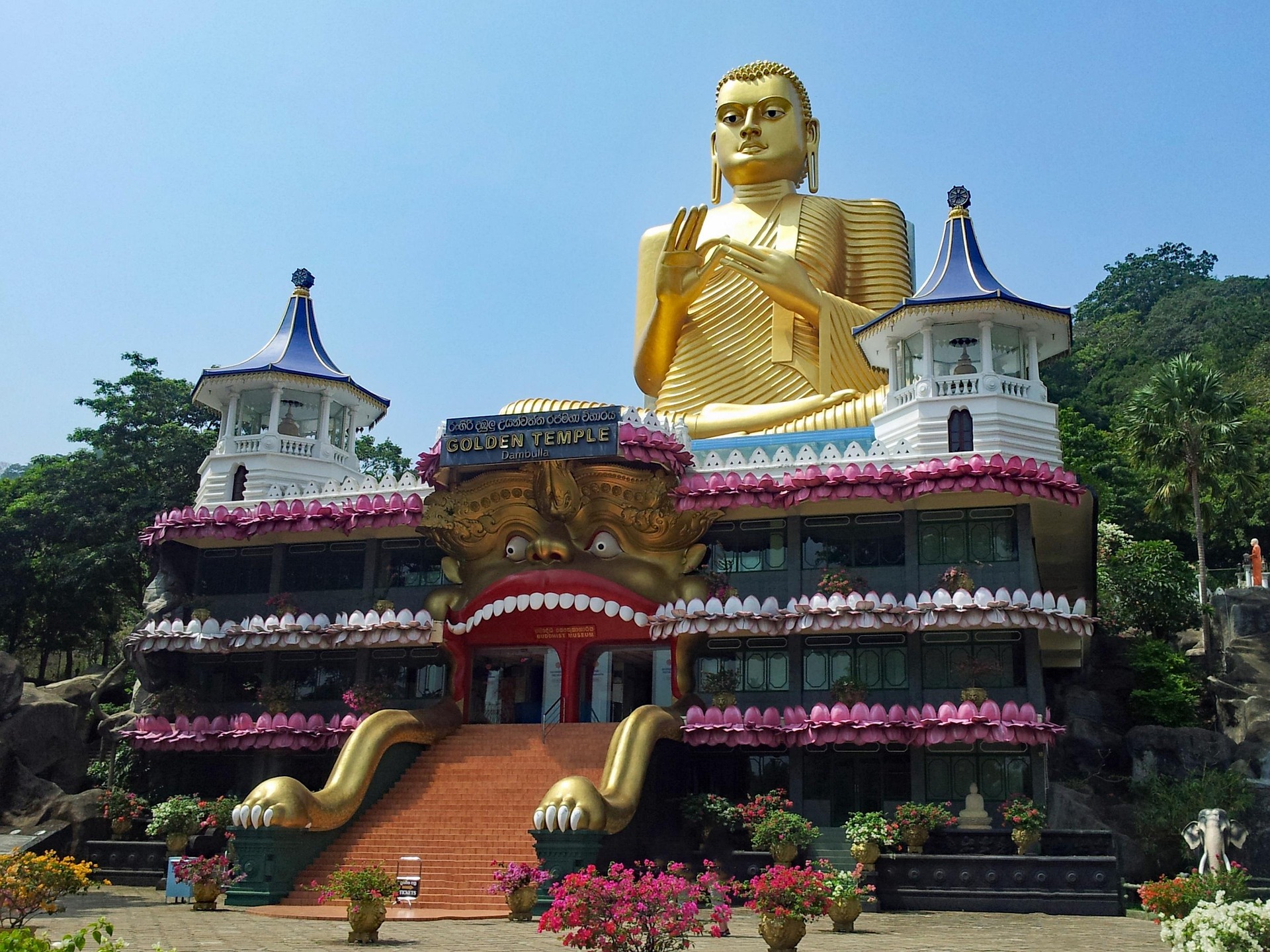
Sri Lanka is a land filled with ancient cities, magnificent temples, lush landscapes, and fascinating stories of the past. Among its most remarkable cultural treasures is the Dambulla Cave Temple, an extraordinary religious and historical site located in the central part of the island. Also known as the Golden Temple of Dambulla, this UNESCO World Heritage Site is famous for its impressive collection of Buddhist statues, beautiful murals, and sacred caves carved into a massive rock. Visiting Dambulla is more than simply seeing an ancient monument; it is an opportunity to experience centuries of Sri Lankan history, art, spirituality, and tradition in one remarkable location.
A Temple with Centuries of History
The story of Dambulla Cave Temple goes back over two thousand years. The caves were a shelter, for King Valagamba of Anuradhapura who is said to have hidden here after being forced out of his kingdom by attackers. After he won back his throne the king is said to have turned the caves into a place of worship and showed thanks by building a temple there. Over centuries many Sri Lankan kings added to the temple’s growth and decoration. Paintings were added statues were. Repaired and the caves grew as a key center of Buddhist devotion. The result is a mix of many ages of Sri Lankan history kept inside the natural shelter of the rock.
The Five Sacred Caves
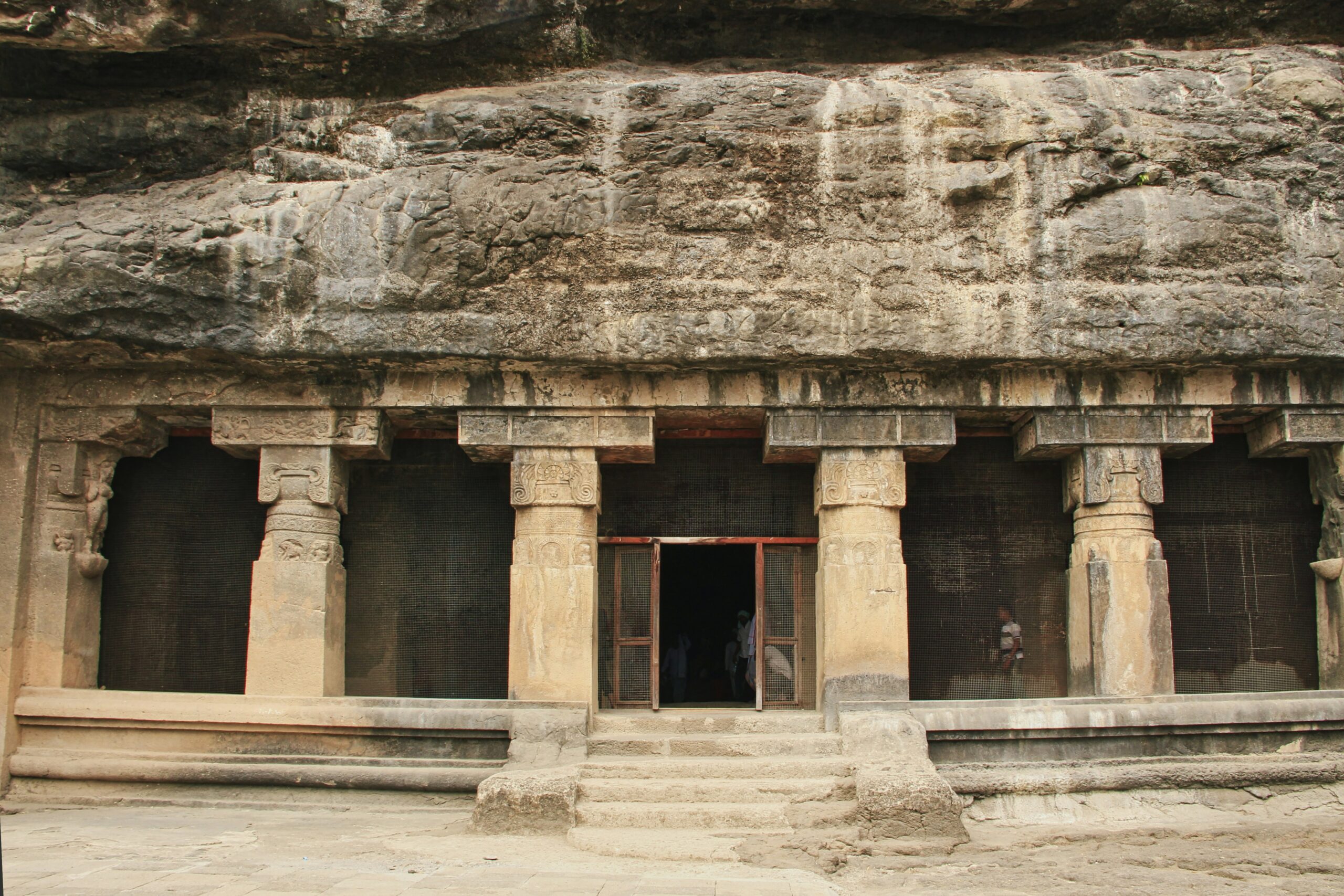
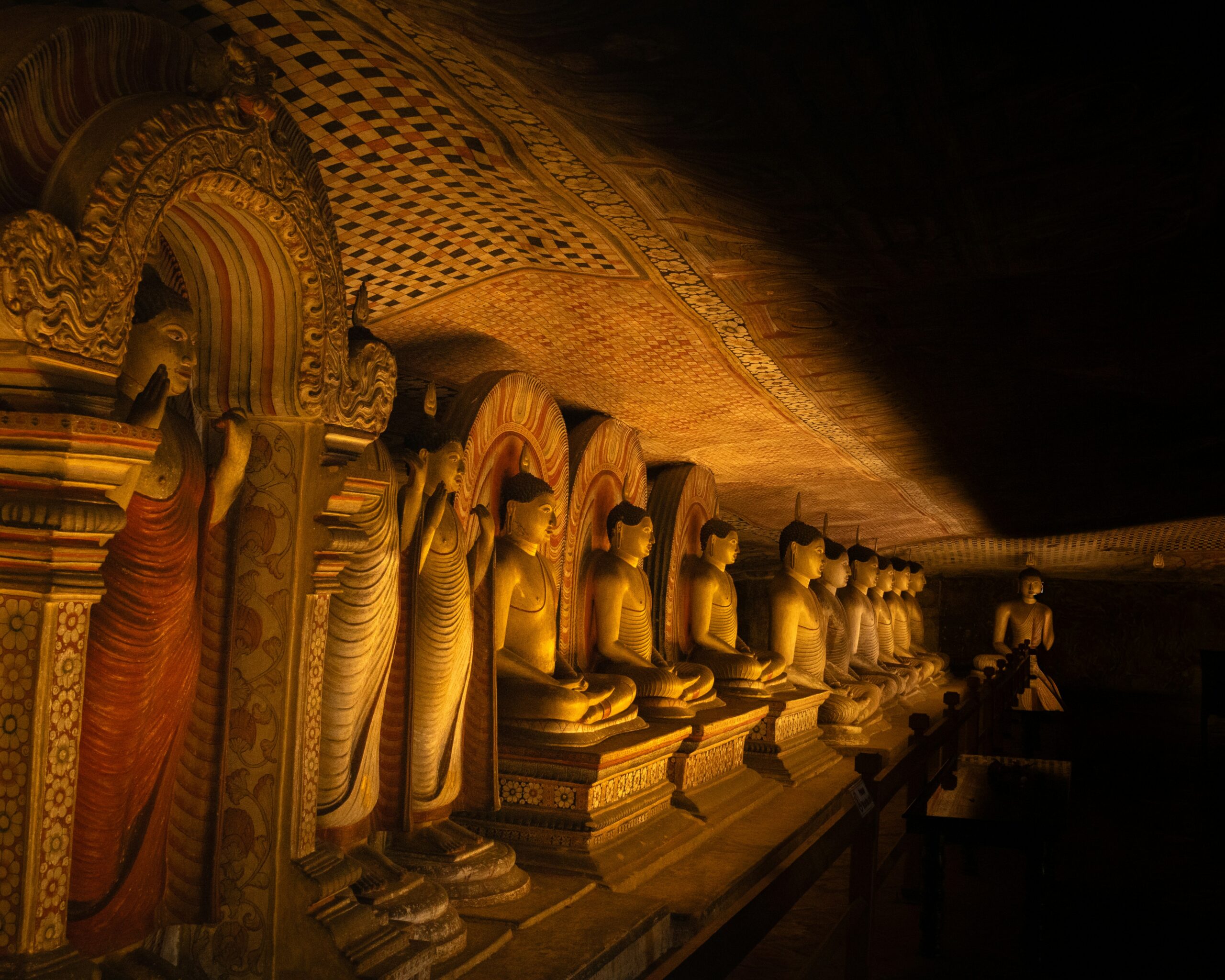
One of the most fascinating aspects of Dambulla is that the temple is made up of five principal cave shrines. Each cave has its own atmosphere, artwork, statues, and historical character. Together, they form one of the most impressive collections of Buddhist religious art in Sri Lanka. The first cave, traditionally known as the Cave of the Divine King, contains a large reclining Buddha statue that immediately captures the attention of visitors. The statue represents the Buddha entering parinirvana and is surrounded by other religious figures. The second cave often called the Cave of the Great Kings, is the largest and perhaps the most spectacular of the five. It contains numerous Buddha images, paintings, and statues associated with Buddhist traditions and Sri Lankan history. The remaining caves continue the artistic and spiritual experience with additional Buddha statues, murals, and religious imagery. Walking from one cave to another allows visitors to appreciate the different styles and details that developed throughout the temple’s long history.
Marvel at the Ancient Murals
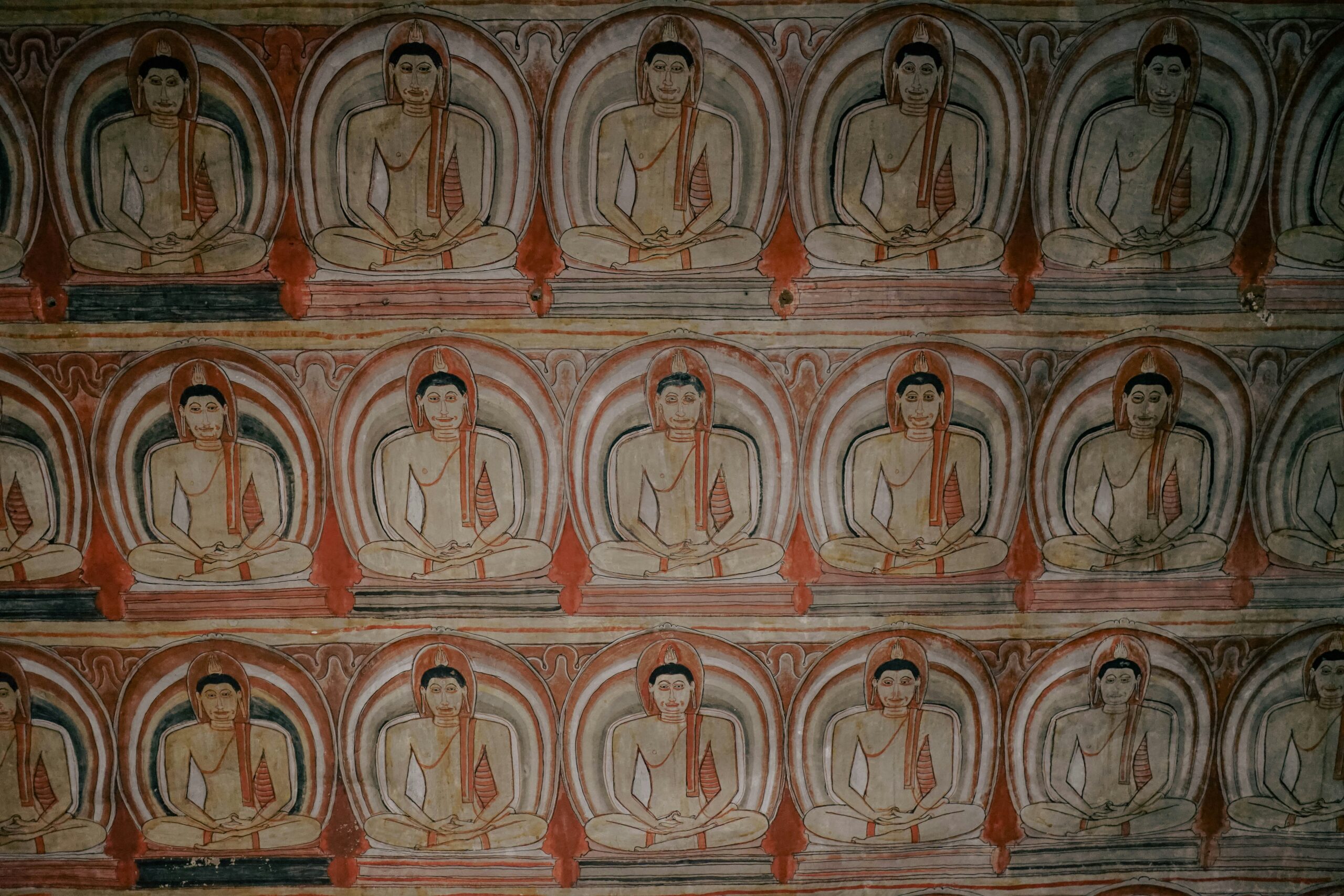
The paintings that cover the walls and ceilings are among the treasures of Dambulla Cave Temple. Bright colors, patterns and scenes that relate to Buddhist traditions turn the interior of the caves into a huge work of art. Many of the murals show moments from the life of the Buddha stories tied to Buddhism and figures from Sri Lankan religious history. The painted ceilings are especially impressive because the artwork follows the curves and surfaces of the rock. Looking upward visitors can see layer after layer of patterns and religious scenes. The murals also give insight into the traditions of Sri Lanka. Although the temple has been restored and maintained over the centuries much of its atmosphere comes from the mix of rock surfaces, traditional artwork and centuries of religious devotion.
Admire the Buddha Statues
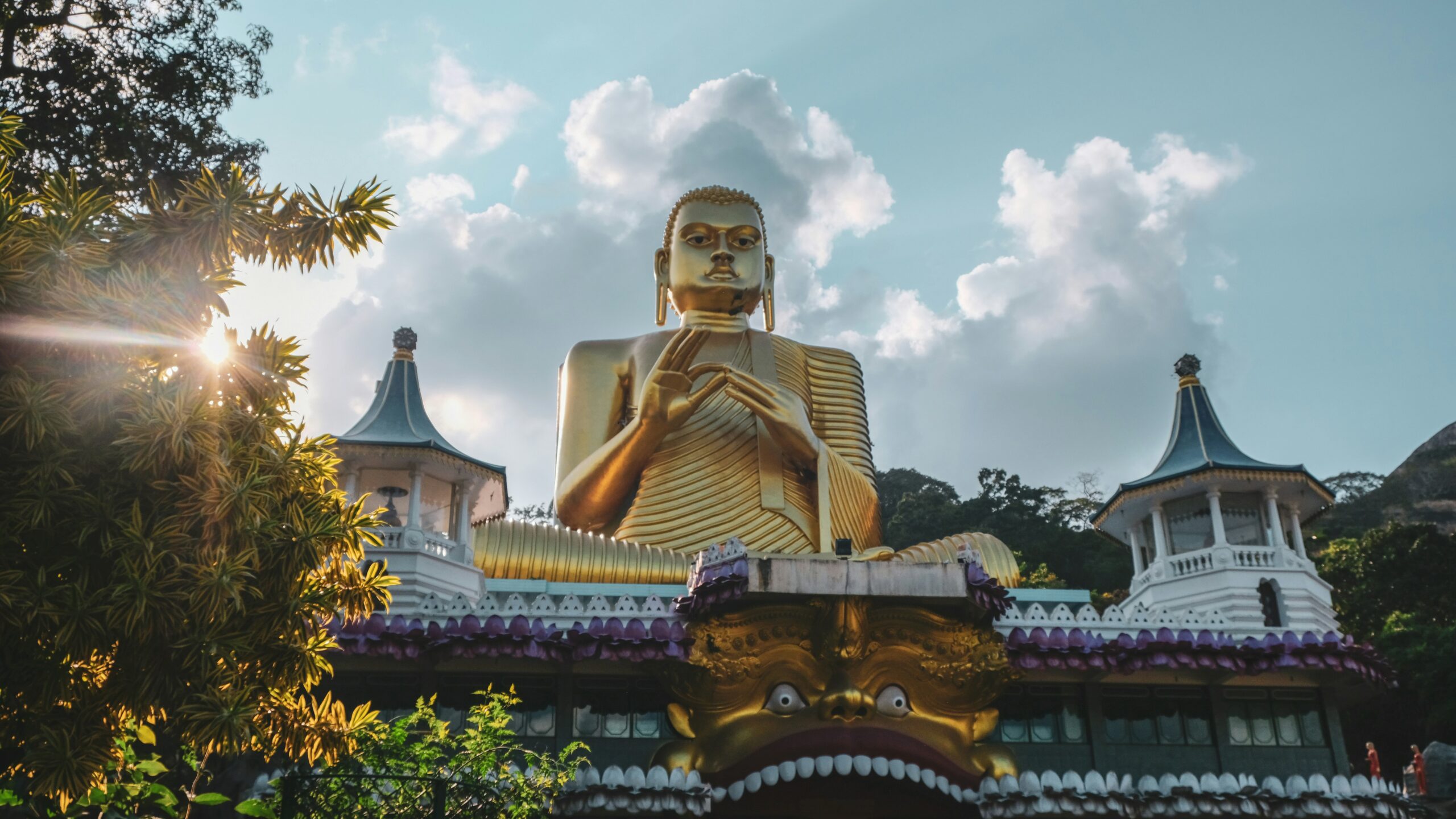
Dambulla is home to a number of Buddha statues ranging from small figures to enormous reclining images. Buddha statues have poses and expressions that represent various aspects of Buddhist teachings and traditions. Some Buddha statues sit in meditation while others stand or recline. The scale and variety of these sculptures make exploring the caves an experience. Visitors should take time to observe the details, including the gestures of the Buddha figures the expressions on their faces and the decorative elements surrounding Buddha statues. Beyond the value of the Buddha statues the Buddha statues remain objects of religious devotion. Dambulla is still a place of worship so visitors should remember that visitors are entering a sacred environment rather than simply an archaeological attraction.
The Journey Up the Rock
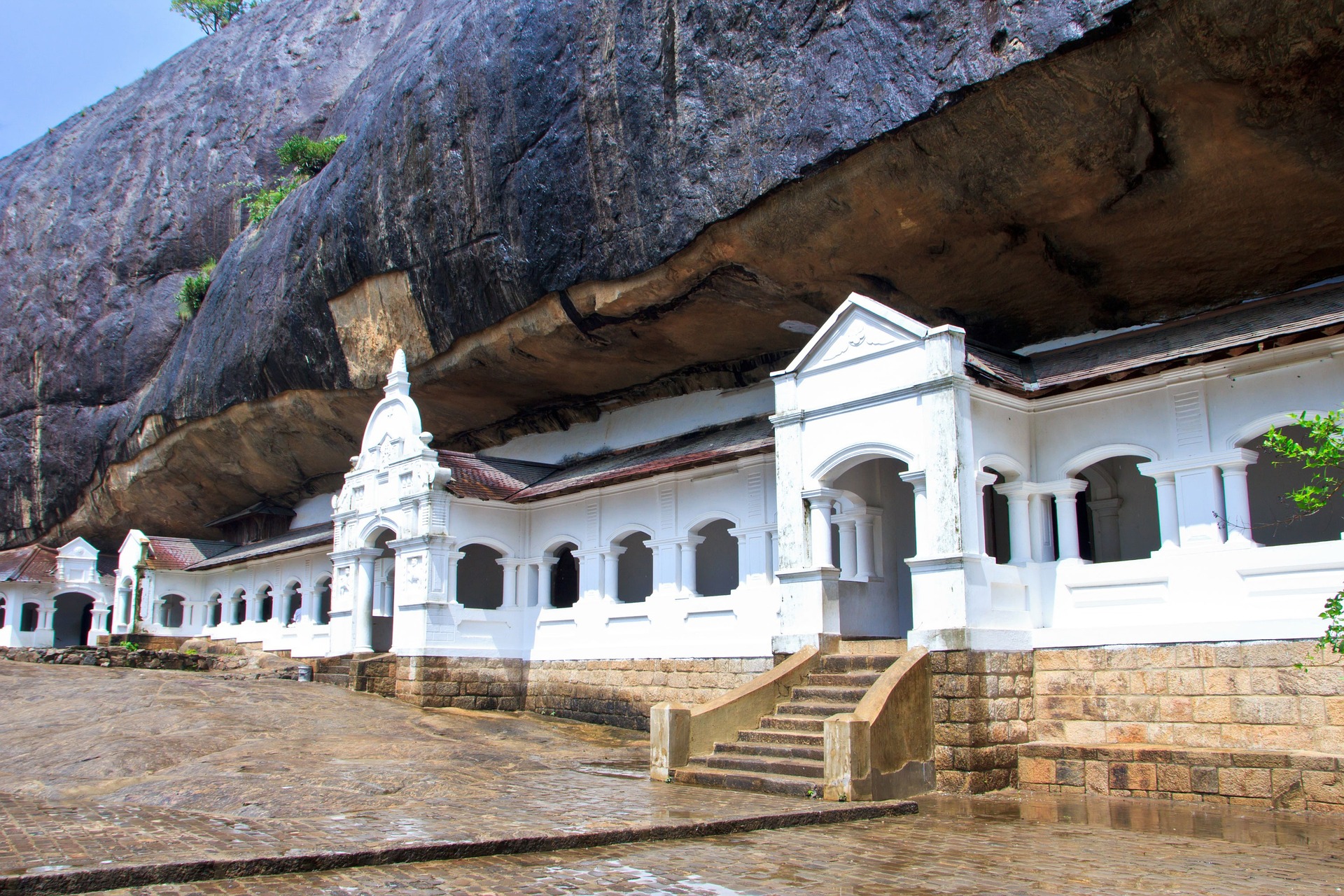
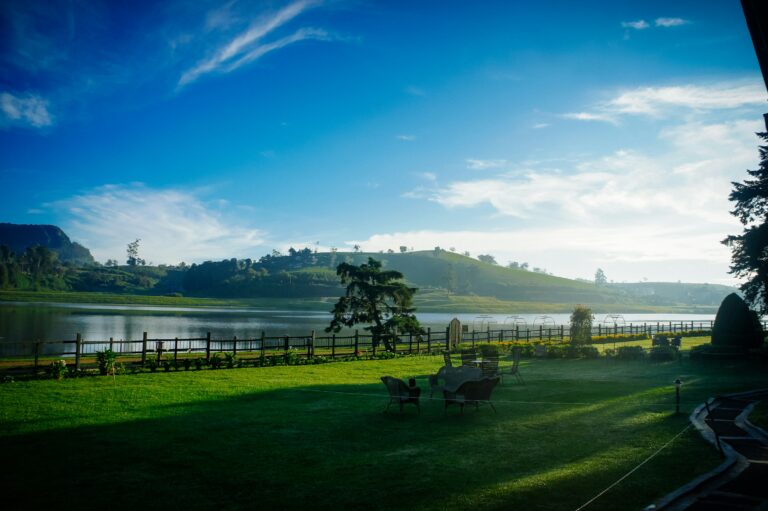
Reaching the caves is part of the Dambulla experience. The temple sits high on a rocky outcrop, and visitors must walk up a series of steps before reaching the entrance. The climb can be physically demanding, particularly during Sri Lanka’s warmer hours, but the surrounding scenery makes the journey worthwhile. As you climb, you can enjoy views across the surrounding countryside. The landscape around Dambulla is characterized by greenery, farmland, distant hills, and open skies. Taking your time during the climb allows you to enjoy both the natural surroundings and the anticipation of reaching the ancient caves. Comfortable footwear, drinking water, and appropriate clothing can make the visit much more enjoyable, especially for travelers who are not accustomed to walking up long stairways in warm weather.
Experience Sri Lankan Spirituality
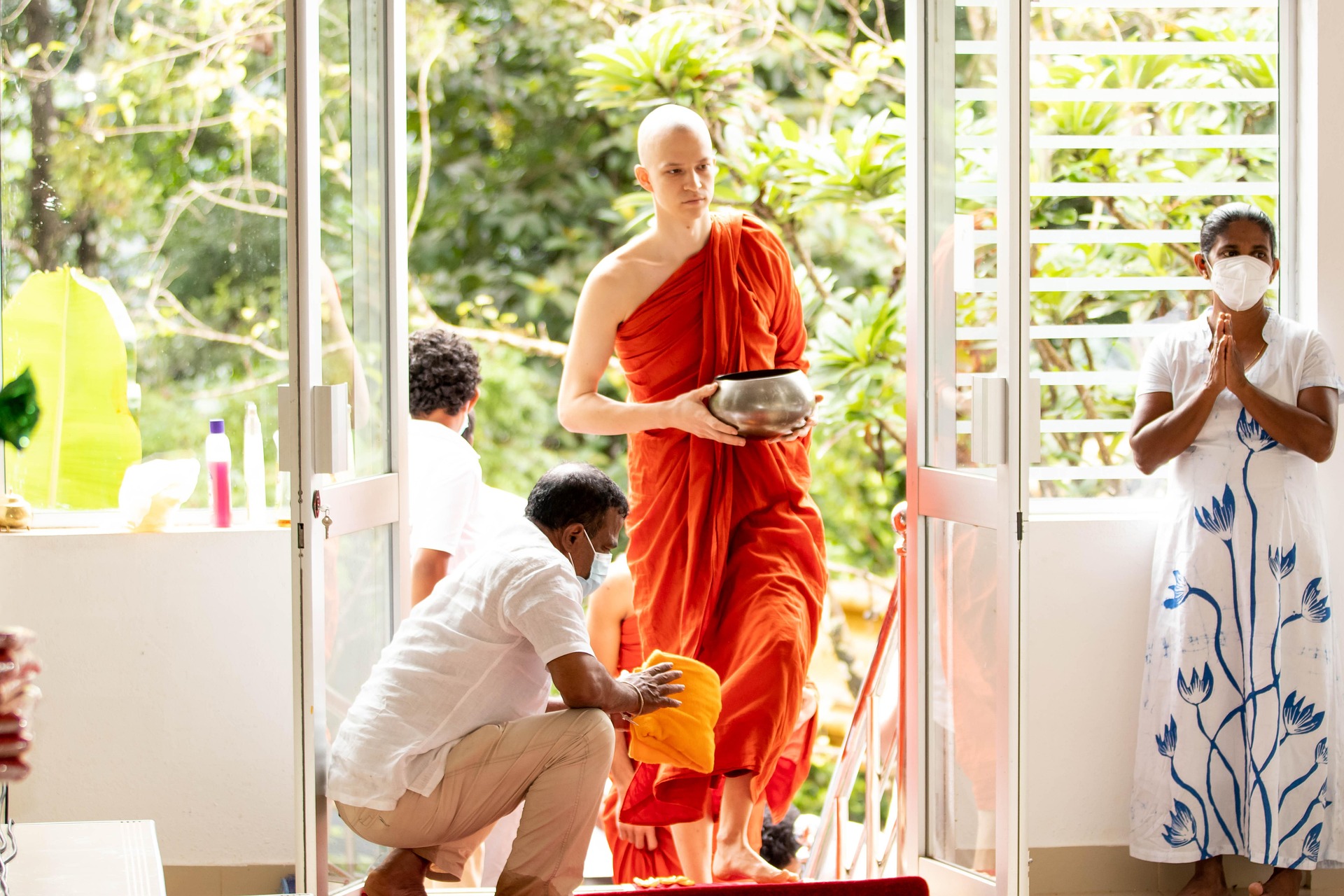
One of the things that makes Dambulla different from many historical attractions is that it remains a living religious site. Monks, pilgrims, and local worshippers continue to visit the temple, creating an atmosphere of genuine spiritual importance. Visitors may see people offering flowers, lighting incense, praying, or quietly meditating. Observing these traditions respectfully provides a deeper understanding of the role Buddhism continues to play in Sri Lankan culture. Travelers should dress modestly when visiting the temple. Shoulders and knees should generally be covered, and visitors should behave quietly inside the caves. Shoes are removed before entering the sacred areas, so it is useful to wear footwear that can be taken off and put back on easily.
Eco Travel Promise
Dambulla Cave Temple has something for every traveler. History lovers can learn about its root’s art fans can see its beautiful murals and sculptures and culture travelers can feel a living tradition. Even people who just want spots in Sri Lanka will find the mix of caves, artwork, faith and wide views hard to forget. What makes Dambulla special is how nature and human creativity come together. The temple was not built as a building instead the natural caves became the base for a holy complex that grew over centuries. The result is a place where rock, paintings, sculptures, history and faith are tightly linked. Exploring Dambulla Cave Temple feels like stepping into a chapter of Sri Lankas past. The caves keep stories that have survived generations while the ongoing presence of worshippers reminds visitors that this is not just a monument from the past. It is a living part of the country’s culture and religion. Whether you are visiting Sri Lanka for the first time or coming back to learn more Dambulla deserves a spot on your travel list. From the climb up the rock to the quiet inside filled with Buddha images and bright murals every part of the visit gives you something to remember. A visit to this temple is not only a trip, into Sri Lankas history but also a chance to appreciate the art, faith and customs that still shape the island today.